An easy way to break a dinner rut, get a little better at cooking and have something to talk about that isn’t work.
You know the feeling. It’s 7 p.m., you’re hungry, and you’re standing in front of the fridge doing the same mental inventory you did last Tuesday. You order the same takeaway you always order. Not because it’s the best — because it’s familiar.
Somewhere around year three of adulthood, most of us quietly stopped trying new food. Not on purpose. It just happened, the way your Spotify Wrapped stopped surprising you and your weekend plans became “a walk and a coffee.” We call it a dinner rotation. Let’s be honest: it’s a rut with a nicer name.
Here’s the fix, and it’s almost embarrassingly small.
One new dish. Once a month. That’s it.
Not a new diet. Not a culinary odyssey. And certainly not a £200 supermarket haul and a shelf of spices you’ll use exactly once. Just one unfamiliar thing on the table every 30 days — a tiny, low-stakes glow-up for the part of your life that’s been on autopilot since approximately 2019.
The first time you made your go-to pasta, you probably stood over the pan eating it with a wooden spoon. The four-hundredth time, you’re eating it while answering an email. An unfamiliar dish makes you pay attention again. You want to know what made the sauce so sharp or why the friend who ordered it insists you try it with the herbs. Some dishes will make it into your dinner rotation. Others will go down as the night everyone tried something once and then became unusually interested in the bread.
How to start trying new foods with friends

If you’re wondering where to start, ask a few friends to go somewhere none of you has been. Give a different person the choice each time and you might find yourself in a neighbourhood you rarely visit, wondering how you’ve lived in London this long without eating there. It also gives you a date to put in the diary, which helps in a city where ‘we should catch up soon’ can keep a friendship going for months without anyone actually meeting.
I recently started a group chat called Table Zero to get a few friends together once a month. Most of us work evenings in hospitality, so part of the appeal was sitting down as guests for a change. At our first meetup, at Bacchanalia in Mayfair, we shared burrata, yellowtail with tomato vinaigrette and grilled octopus. Passing the plates around meant everyone could try a little of each before deciding what deserved a second helping.
If the menu’s unfamiliar, I’d order to share, even if there are only two of you. Let the friend who knows the food pick a few plates for the middle. The person who said ‘I’m easy’ on the way there may suddenly have very firm views about the dumplings, and you might find out who first took them there or what they ate after school. Making friends as an adult can involve a surprising amount of administration. It helps when somebody already knows what you should have for lunch.
The bit nobody tells you about learning a new dish
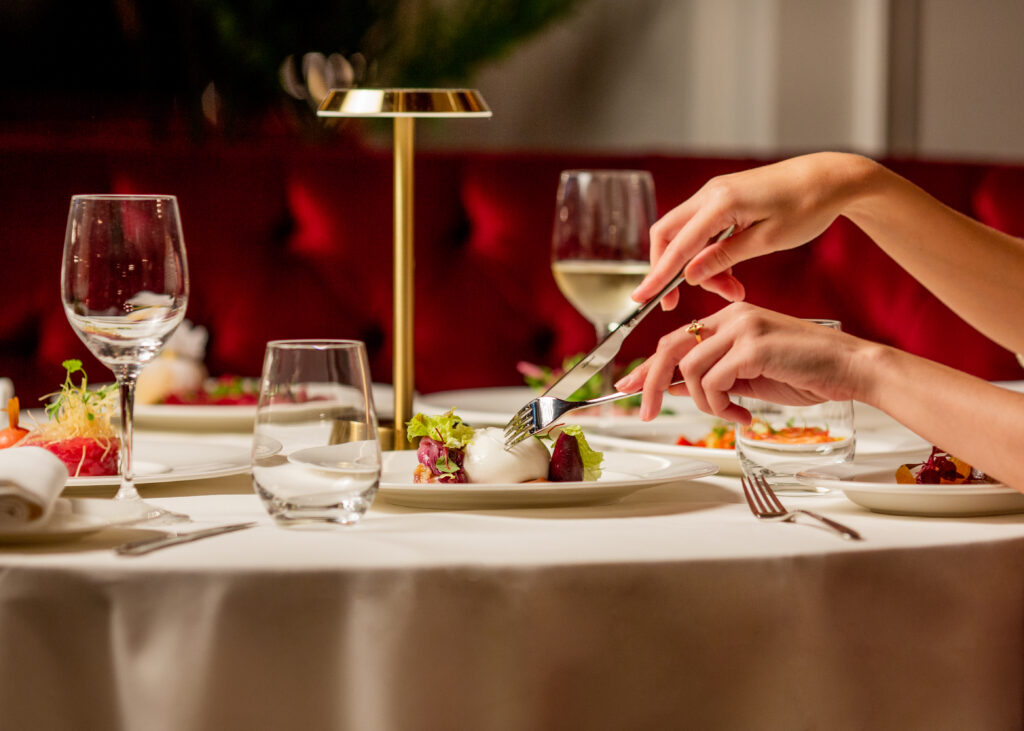
Table Zero is the version with witnesses. You can do this on a Wednesday at home with a recipe you’ve saved three times. If a video of Vietnamese bánh xèo catches your eye because the pancake looks impossibly crisp, keep watching to see how it’s wrapped with herbs and dipped in sauce. By the time you’ve watched a couple of people make it, you’ll have a better idea of what you’re making and how you want to eat it.
Living in China brought this home for me. Friends introduced me to Korean, Japanese and Vietnamese dishes, and helped me see how much I’d overlooked within Chinese cooking itself. Someone would recognise a dish and mention that where they grew up, it came with a different sauce or was eaten on a particular occasion. A question about the sauce could turn into a conversation about what grew locally, what people preserved for winter or what their family cooked when everyone was home.
Some of what you learn follows you back into the kitchen. You start to remember what cumin smells like when it hits hot oil, what tahini does to a dressing or how much a squeeze of lemon can change a dish at the end. Those details come back when you have half an onion, some leftovers and no intention of going to the shops. You can use what you learnt on an entirely different dinner.
You start reading menus differently, too. Working in London restaurants has made me notice how often the detail that makes a dish interesting is barely mentioned. A little toasted sesame oil might explain the nutty aroma of a sauce on a modern British menu. If you’ve only ever had ’nduja spread on bread, tasting it melted into a sauce shows you how its heat can run through every bite. Once you’ve tasted an ingredient used a few ways, you have a better idea of what to expect and what to ask about.
The unglamorous superpower of being easy to feed
Anyone who’s checked a menu on the way to a work dinner knows the relief of spotting something they recognise. There’s another kind of relief in looking at the same menu and thinking, I’ve no idea what that is. Let’s get one for the table. There’s a little freedom in being able to look forward to a tasting menu or a bowl of whatever a friend’s mum has made. And if you ask what’s in the bowl, the person who made it may have been waiting all evening for someone to ask.
If you’re a fussy eater and want to try new foods, shrink the step. Start with a texture or flavour you already like. If crisp roast potatoes are your thing, a potato pancake with an unfamiliar sauce on the side is a decent place to begin. You can like the pancake, take against the sauce and finish dinner with a perfectly respectable opinion about both.
I like eating with people who are curious about food because dinner with them can still go a little off script. They’ll suggest the stall you’ve walked past for months or order the thing everyone else was quietly hoping somebody would. Even when the dish turns out to be a collective mistake, they’re usually the people you want beside you while you work out what on earth you’ve ordered. And the next time somebody asks how your week went, you’ll have something to tell them besides ‘I’m knackered’.
Pick your first dish
Cook it on a Sunday, order it as a side or try a little of what a friend has made. If you’ve walked past the same jar of gochujang for two years and wondered what it does in a stew, there’s your dish. Look for a recipe that uses some of what you already have, and think about where the rest of the jar might go. If you make the stew and decide you’d happily never eat it again, it still counts. Finding out what you think was the point.
If you’re stuck for an idea, here are twelve ways into the monthly food challenge. Start wherever you like. And without even trying, you’ll be expanding your palate too in the process.
Follow Chic Chui
For more on fashion, food, travel and the details worth noticing, follow along on Instagram.
Follow on Instagram →