From Cairo’s Grand Egyptian Museum to ancestry journeys across West Africa, cultural and heritage-led travel in Africa is reshaping why we travel now.
On a rooftop in Cairo, as the call to prayer rises through the evening air, it carries more than just sound. Beneath it, the low hum of traffic, the faint scent of diesel and dust, the clatter of metal cups from a nearby kitchen — everyday details that sit alongside the familiar notes of jasmine and spiced coffee. The pyramids dissolve slowly into the haze, almost secondary to the feeling that something has shifted. Not the view. The question.
For years, Africa was framed through a familiar lens: safari, beach, repeat. Wildlife drives at dawn. Sunsets over the Indian Ocean. Beautiful, yes, but incomplete. What sat quietly in the background was the depth of culture, history and lived experience that defines every destination. The truth is, that story was always there. Travellers simply weren’t asking for it.
Now they are.
Cultural and heritage-led travel in Africa has moved from niche to mainstream, with journeys increasingly shaped by meaning rather than momentum. According to the African Travel & Tourism Association (ATTA), demand is being driven by cultural immersion, heritage storytelling and slower, more intentional travel. North and West Africa, in particular, are leading this shift, offering experiences that feel both rooted and deeply personal. And importantly, this is not something emerging. It is already happening.
Cairo is still riding the momentum of the Grand Egyptian Museum, which officially opened in November 2025 and has helped reposition Egypt at the centre of Africa’s cultural travel conversation. At the same time, Rabat’s year as UNESCO World Book Capital, which began in April 2026, is drawing a different kind of traveller to Morocco’s capital. Across West Africa, countries such as Senegal, Sierra Leone and Benin are welcoming visitors not just as tourists, but as people returning to understand their heritage.
Taken together, these shifts are quietly redefining what it means to travel across Africa.
Why the Grand Egyptian Museum Has Changed How We Travel to Cairo
There has always been something magnetic about Cairo. But since the Grand Egyptian Museum officially opened in November 2025, the city has taken on a different rhythm. Set beside the pyramids in Giza, the museum is the largest in the world dedicated to a single civilisation. Yet its impact lies in how it reshapes the experience of being there.
Read More: The Ultimate International Travel Checklist: 10 Things I Always Check Before Leaving the Country
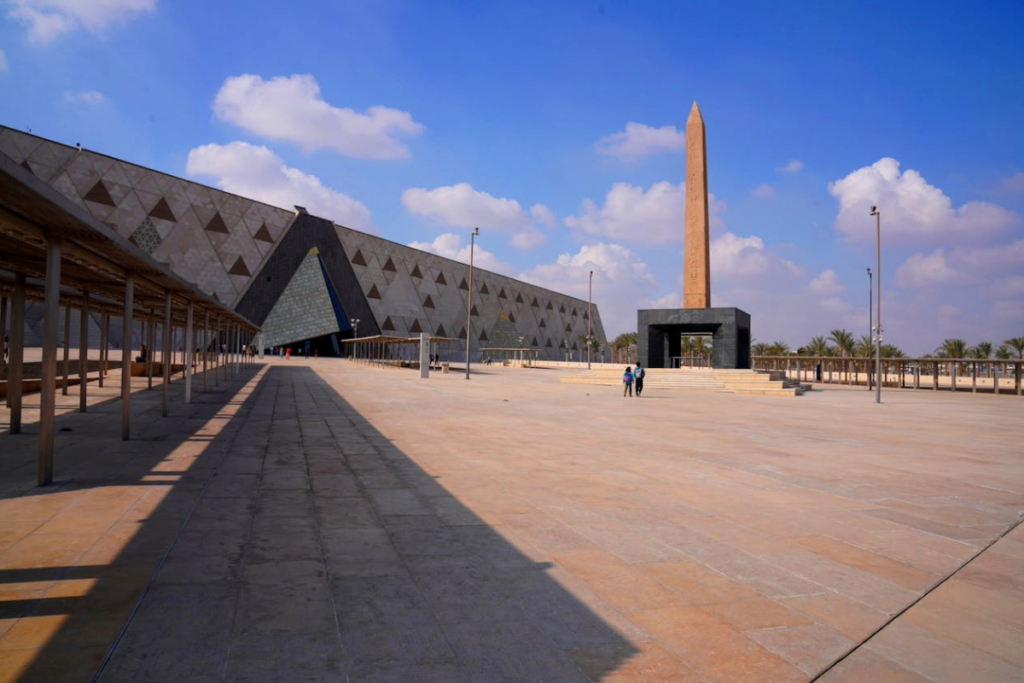
Visitors move through a vast, light-filled atrium where a towering statue of Ramses II stands beneath glass and stone, before entering galleries that bring together objects long separated, including the complete collection from Tutankhamun’s tomb. It feels less like a sequence of rooms and more like a narrative carefully pieced back together over time.
The pyramids feel smaller than you imagined. The weight of them does not.
Naturally, this is encouraging travellers to stay longer. What was once a brief stop has become a more considered visit, with mornings spent in the narrow, shadowed lanes of Islamic Cairo, afternoons drifting between galleries and courtyards, and evenings unfolding on rooftops overlooking the Nile. At the same time, the audience is shifting. Alongside historians are younger travellers drawn to the intersection of culture and design, as interested in contemporary Egyptian fashion and architecture as they are in ancient history. Egypt is no longer just a historical destination. It is a cultural one.
Why Rabat Is the Morocco City Break Everyone Is Quietly Choosing
If Marrakesh has long been Morocco’s headline act, Rabat is becoming its most compelling alternative. Since its designation as UNESCO World Book Capital began in April 2026, the city has drawn travellers looking for something slower, more thoughtful and, in many ways, more real.
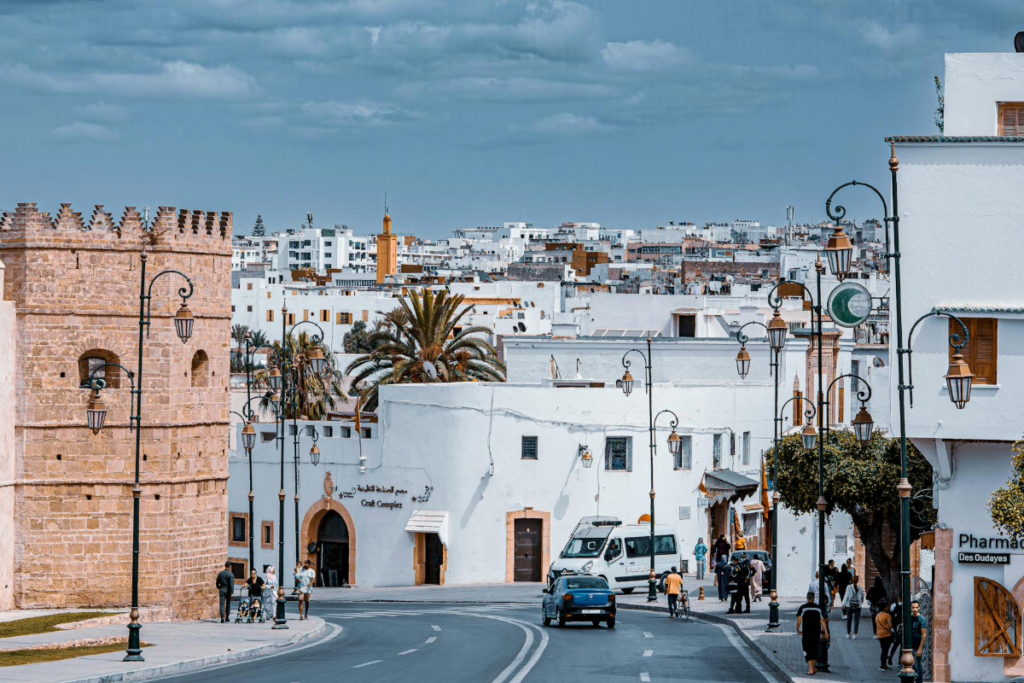
Here, the experience unfolds gently. Mornings begin in the Oudayas Kasbah, where blue-and-white streets lead to small courtyards and hidden terraces, and glasses of sweet mint tea are served overlooking the Atlantic. Bookshops invite lingering rather than browsing. Museums feel unhurried. The city moves at a pace that allows space to notice the details — the scent of orange blossom in a riad courtyard, the quiet rhythm of people moving through its streets.
Unlike the intensity of Marrakesh, Rabat offers something softer, and that is precisely what makes it so relevant now. Increasingly, luxury is no longer defined by how much you see, but by how deeply you experience a place. Rabat offers that depth without needing to announce it. And from there, the journey often becomes more personal.
West Africa’s Ancestry Journeys Are Redefining Travel
The most emotional expression of cultural and heritage-led travel in Africa is happening in West Africa.
If North Africa offers cultural immersion, West Africa offers something more intimate. Something shaped by a history that connects the region to the wider world in profound ways. Between the 15th and 19th centuries, large parts of the West African coastline formed the departure points of the transatlantic slave trade, through which millions of Africans were forcibly taken across the Atlantic. Today, countries such as Senegal, Sierra Leone, Benin, The Gambia and Guinea-Bissau are at the centre of a different kind of movement: ancestry-led travel.
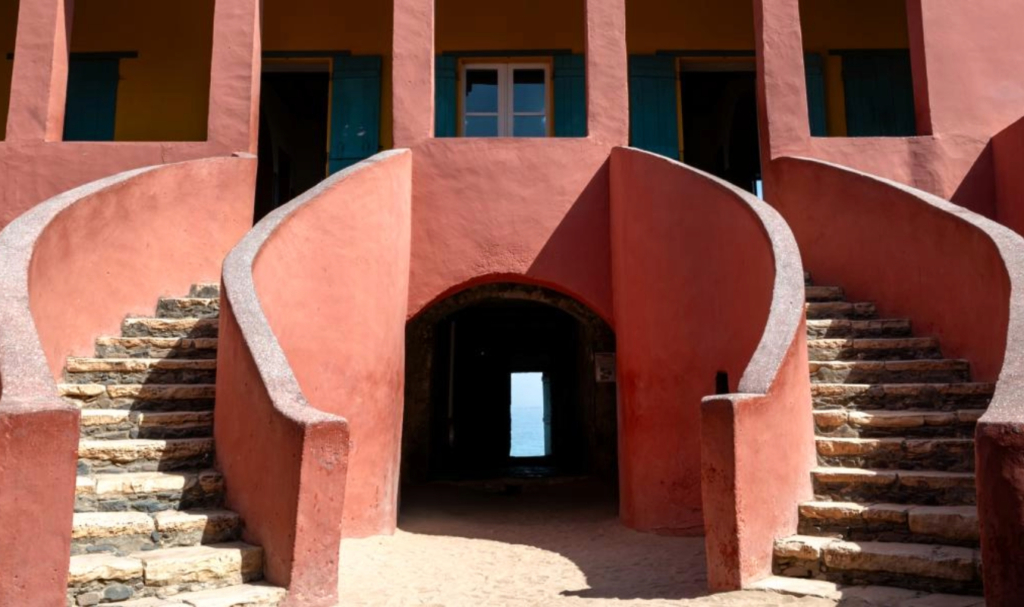
In Senegal, travellers arrive on Gorée Island and move through the House of Slaves before standing at the Door of No Return, facing the Atlantic. The site has come to symbolise the wider system of coastal trading posts through which people were taken. Stand there, even in your imagination. You begin to understand why people fall silent. In Sierra Leone, the story shifts. Freetown was founded in 1787 as a settlement for freed Africans, including Black Loyalists from North America and recaptured Africans, and today, homecoming ceremonies build on that legacy. Visitors are not simply observing history. They are stepping into a place shaped by return, where names, identities and connections are acknowledged in ways that feel personal.
In Benin, journeys follow the routes that once led from inland kingdoms to the coast. Tracing the legacy of the Kingdom of Dahomey and the systems that sustained the trade. Sites such as Ouidah offer a deeper understanding of how these histories were lived and organised. Mapping the past onto landscapes that still exist today. What becomes clear is that this is not distant history. It is present.
Reasons Luxury Travel in Africa Looks Different in 2026
Read More: How Many Days in Kenya Do You Really Need? A More Realistic Way to Plan Your Trip
As this shift continues, it’s also quietly changing what luxury actually means. Across Africa, it’s moving away from display and towards something far more personal. Something more connected to place.
In Namibia’s Nkasa Rupara National Park, for example, conservation-led lodges aren’t just about where you stay. They place you inside the rhythm of the landscape, while supporting the communities around it. In Rabat, it might look like a slow literary walk through the city with someone who knows its stories inside out. In Senegal, ancestry journeys are shaped less like itineraries and more like conversations — layered, personal, and often emotional.
And once you start noticing it, you see it everywhere.
In Rwanda, travellers are beginning to look beyond gorilla trekking. Yes, it’s still extraordinary, but there’s a quiet shift towards slower experiences. Like time spent with artisans, understanding how certain crafts have been passed down, not just produced. In Ghana, visits to places like Cape Coast Castle are increasingly accompanied by guided experiences that give the history weight, context, and presence, rather than just information. And in Zanzibar, evenings in Stone Town are shifting away from spectacle. Less about where to be seen, more about understanding what you’re seeing. Through food, architecture, and the stories that sit quietly underneath it all.
The African Destinations to Watch in 2026
And perhaps the most interesting destinations are the ones travellers have barely begun talking about. ATTA names Algeria and Angola as two countries to watch in 2026. Mainly driven by improved infrastructure, easier visa access and a growing appetite for places that feel less obvious. For travellers who feel they have already done Marrakesh, Cape Town and Zanzibar, the appeal is easy to understand. There is a quiet pull towards somewhere different, somewhere that hasn’t yet been overdefined.
Algeria offers that in a way that feels almost unexpected. Roman ruins overlooking the Mediterranean, ancient Saharan rock art, Ottoman palaces and a coastline that still feels largely undiscovered. It’s a country that holds its history in layers, and is only now beginning to open up more fully to international travellers.
Angola, meanwhile, feels like a quiet reveal. Luanda, one of Africa’s oldest coastal capitals, carries traces of its Portuguese colonial past alongside a growing creative energy. While beyond it, the landscape shifts dramatically, from the force of Calandula Falls to the wide, open canyons of Namibe Province and the wildlife of Iona National Park.
There is also a certain thrill in arriving somewhere before everybody else does. Not untouched, never that, but not yet shaped by expectation. Angola and Algeria still feel like places travellers discover rather than destinations they simply follow other people to. Perhaps that is what makes this new wave of travel feel so different. Because in the end, it is not about seeing more.
It is about understanding more.